
Faida Radio Editorial Team
With Musa Muhammad Hadejia
23 February , 2026
As the countdown to the 2027 Nigerian general election begins, political activities across the country are steadily shifting from speculation to mobilisation. Aspirants are consulting, alliances are forming, and interests are crystallising. This is natural in a democracy; every qualified citizen has the constitutional right to aspire.
Naturally politics is not merely about ambition. It is about strategy, timing, and the collective interest of the people, the central question is not simply who desires to go to the one position or the other, but who is best positioned to protect and advance the present and future interests of his constituents ?
Jigawa state as a case study , is no stranger to the challenges of political marginalisation over the years, most of its district has had to compete vigorously for federal attention, infrastructure, and meaningful inclusion in national decision-making. In such circumstances therefore, representation at the National Assembly cannot be reduced to experimentation or routine political rotation.
Like many other senatorial districts , Jigawa North East had a serving senator Currently at his first term, who not only found his footing rightly in the Senate, but has also demonstrated a firm grasp of legislative procedure, committee engagement, and the complex power dynamics of Abuja. His growing influence reflects both diligence and strategic positioning.
As a game of experience and relationships legislation requires experience , because newly elected legislators often spend a significant portion of their tenure learning procedure, building alliances, and earning institutional trust. By the time they become fully effective, their term is nearing completion. The reason any reasonable constituencies don’t allow a repeated restart process of electing new representative every four years.
In parliamentary politics, seniority is not symbolic; it is currency. Committee chairmanships, ranking positions, and key leadership roles are largely determined by tenure and experience. Under the Standing Rules of the Senate, only ranking members—those with sustained service—are typically eligible to contest for principal leadership positions.
Returning representatives are more strategically positioned to compete for influential roles, chair or significantly influence key committees, negotiate more effectively for federal projects, and advocate more forcefully for the long-standing developmental needs of Jigawa Northeast.
Such opportunities are rarely accessible to first-term lawmakers, regardless of their brilliance or good intentions. Returning are representatives for second or more terms is therefore not about sentiment or personal loyalty; it is about ensuring that people has a strong voice where critical national decisions are made.
Politics rewards continuity because developmental initiatives, constituency projects, legislative advocacy, and policy engagements all benefit from sustained follow-through, for the fact that a returning representatives has already provided stability, direction, and institutional memory—assets that should not be casually discarded.
This argument does not suggest that first time Aspirants are not competent or lack fresh ideas. Far from it, rather, in a system where access, leverage, and timing determine outcomes, competence alone is insufficient. ( Senate for example )is not a training ground; it is a competitive arena for influence and impact.
Jigawa Northeast must therefore ask itself a crucial question: is this the moment to replace a senator who is just entering his most productive and strategically advantageous phase ?
One of the greatest risks any senatorial district faces is political irrelevance. When a district consistently sends inexperienced lawmakers, it risks marginalisation. When it presents seasoned legislators with institutional weight and strategic relationships, it commands respect and attention.
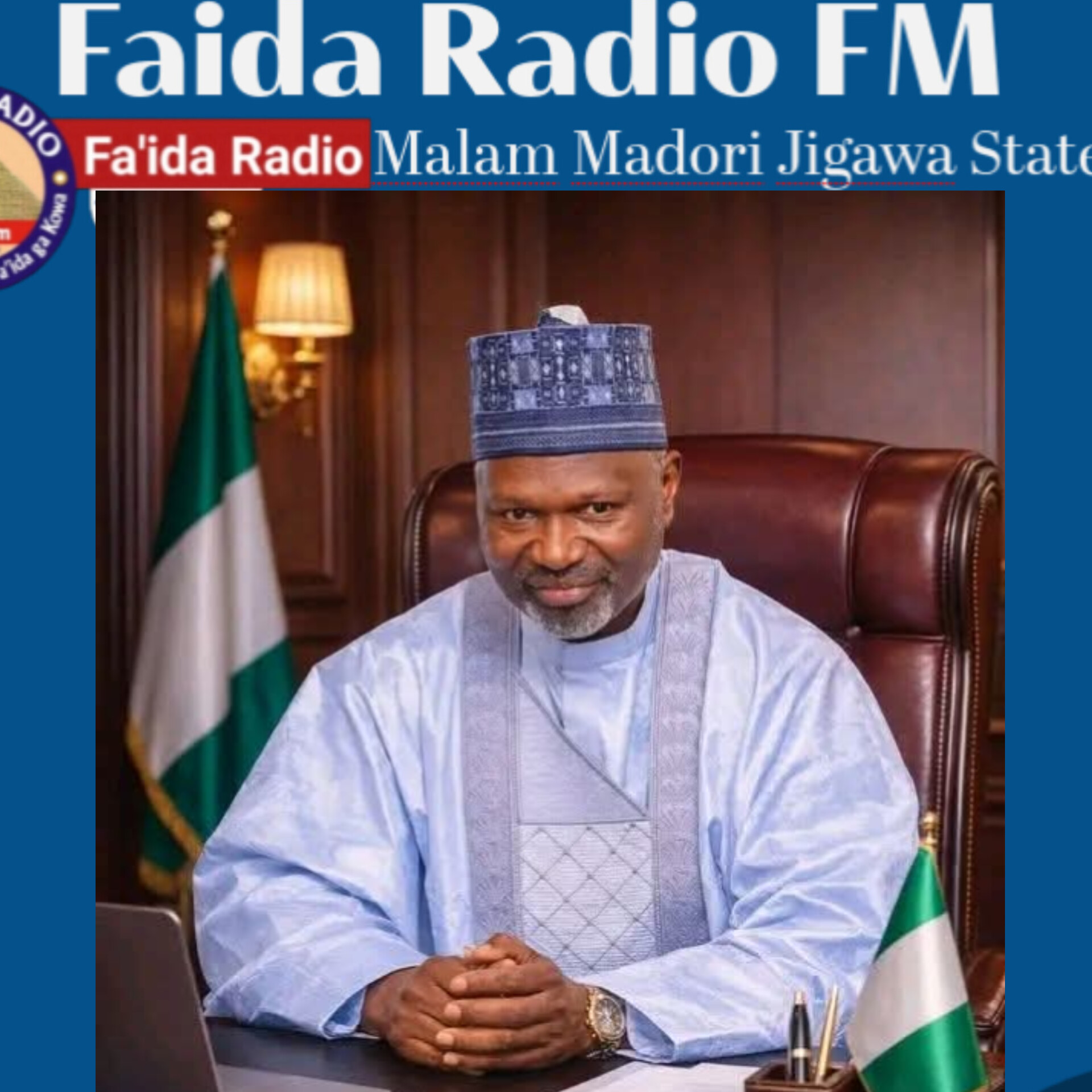
Returning Senator like Sen (Amb ) Ahmed Abdulhamid in 2027 will send a clear message that Jigawa Northeast senatorial zone have come of age to understanding the dynamics of national politics and is prepared to act wisely. This is particularly important at a time when competition for federal appointments, projects, and visibility is intensifying across states and geopolitical zones.
Elections are about choices, but wise choices are shaped by context. The year 2027 is not the time for Jigawa Northeast to gamble with its representation or retreat into political experimentation. It is a time to consolidate progress, strengthen influence, and maximise opportunities.
Supporting Senator Ambassador Ahmed Abdulhamid MMR, for a second term does not close the door to future leadership. Rather, it strengthens the foundation upon which the next generation of leaders can build. It secures time, leverage, and strategic relevance for the district.
Urgitation for the return of Sen Ahmad Abdulhamid Malam Madori is not about personality , it is about collective interest. It is about ensuring that Jigawa Northeast is not absent from critical national conversations, that includes understanding of legislative influence is cumulative while Institutional power is built over time.
In 2027, Jigawa Northeast must look beyond individual ambition and embrace collective advantage. This is not the time to retire Senator Ambassador Ahmed Abdulhamid. It is time for are stronger, experienced, and better positioned candidate to deliver even greater dividends for the people.
Jigawa Northeast deserves strategic representation not another new face in the chamber .